

Computational Fluid Dynamics
Turning complex flow behavior into clear engineering insight
Our Computational Fluid Dynamics (CFD) services deliver accurate, physics-based simulations to analyze fluid flow, heat transfer, turbulence, and multi-physics behavior under real operating conditions. We support steady-state and transient analyses, conjugate heat transfer, multiphase flow, combustion, ventilation, and fluid–structure interaction. By applying validated models and engineering best practices, we help clients improve performance, enhance safety, reduce energy losses, and make confident design decisions before physical testing or implementation.
Internal Flow
External Aerodynamics
Thermal
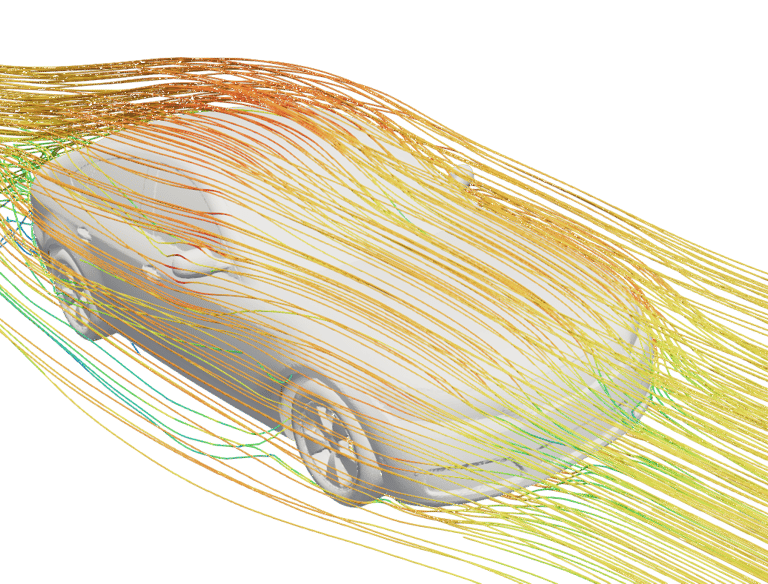
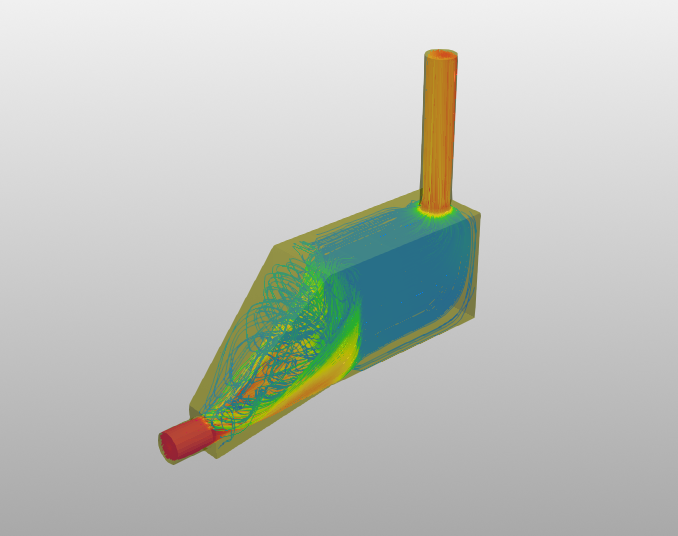
Internal flow analysis to evaluate velocity distribution, pressure losses, and flow uniformity in pipes, ducts, and process equipment
External flow analysis to predict aerodynamic forces, wind loads, flow separation, and drag on structures and equipment
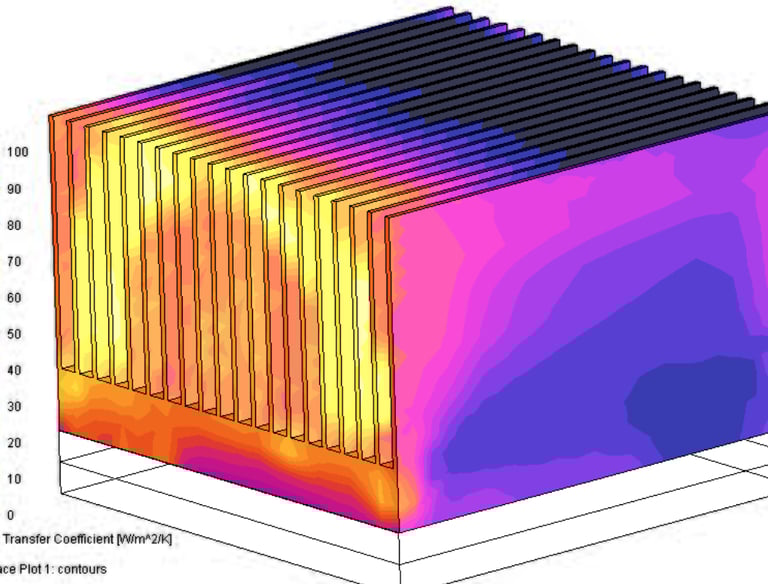
Thermal CFD analysis to assess convection, conduction, and temperature distribution for efficient heat transfer performance
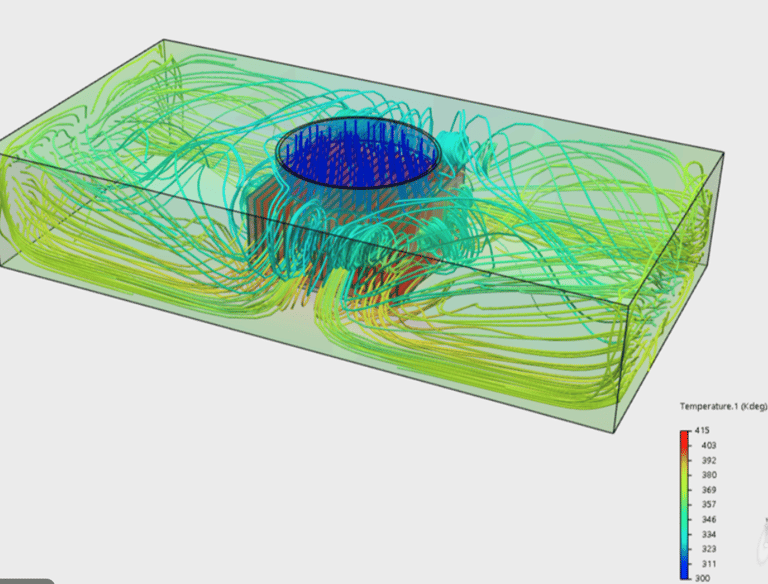
Conjugate Heat Transfer
Conjugate heat transfer analysis capturing solid–fluid thermal interaction for accurate temperature and heat flux prediction
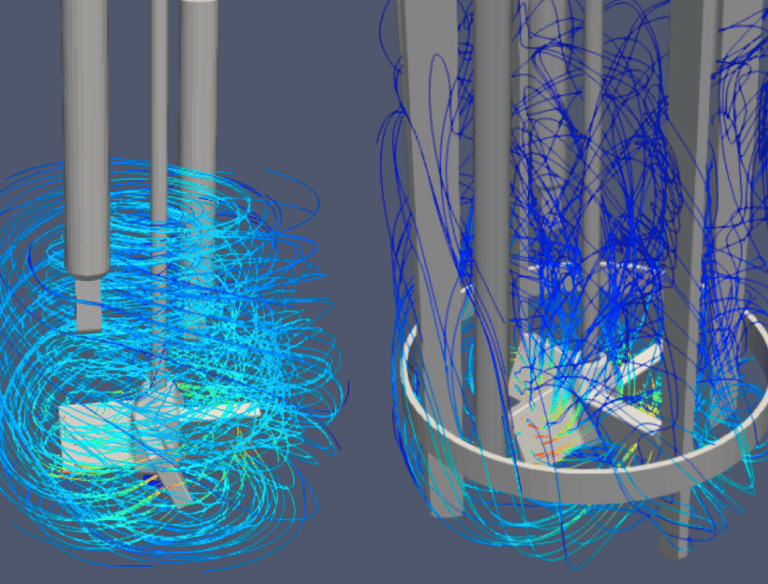
Turbulence Modeling
Turbulence modeling to capture complex flow behavior, recirculation, mixing, and stability under real operating conditions
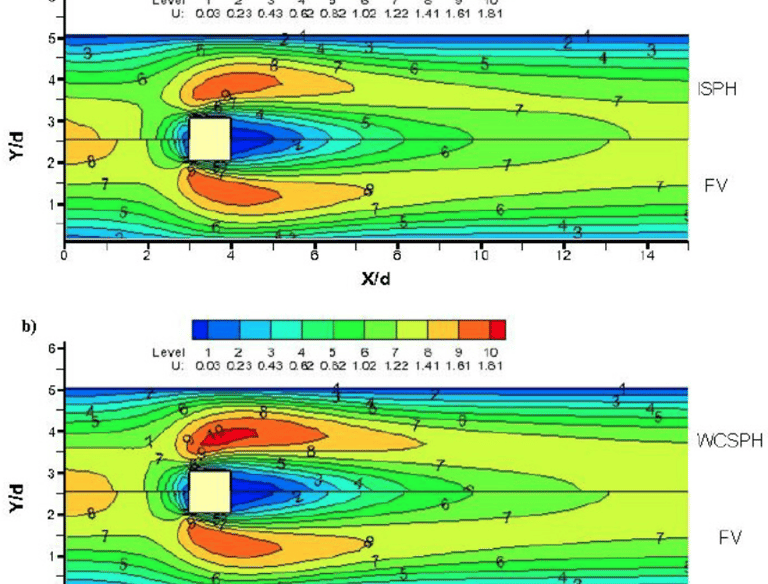
Transient Flow
Transient CFD analysis to evaluate time-dependent flow behavior during startup, shutdown, pulsation, and cyclic operation
Multiphase Flow
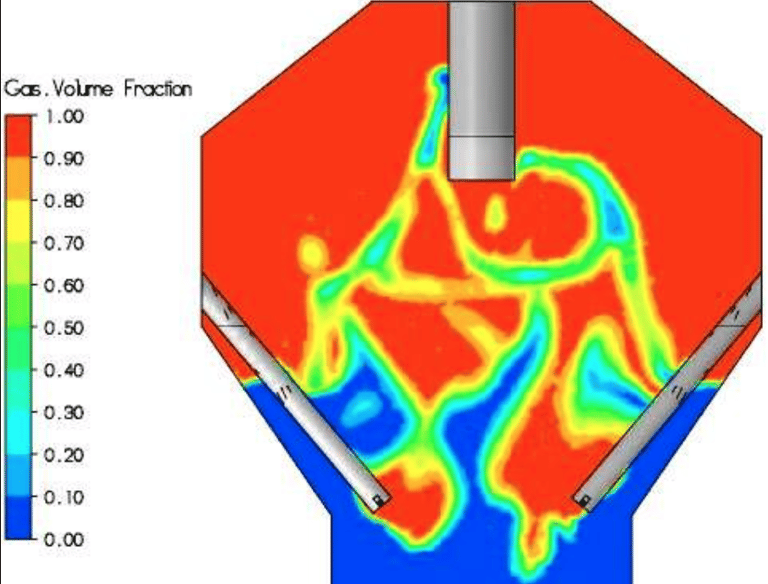
Multiphase flow analysis to model gas–liquid or liquid–solid interactions, phase distribution, and separation behavior
Combustion
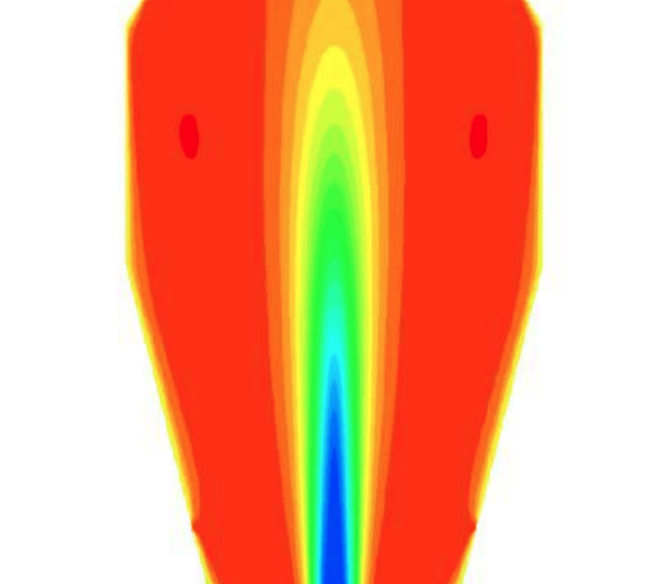
Combustion CFD analysis to predict flame behavior, temperature fields, species transport, and reaction efficiency
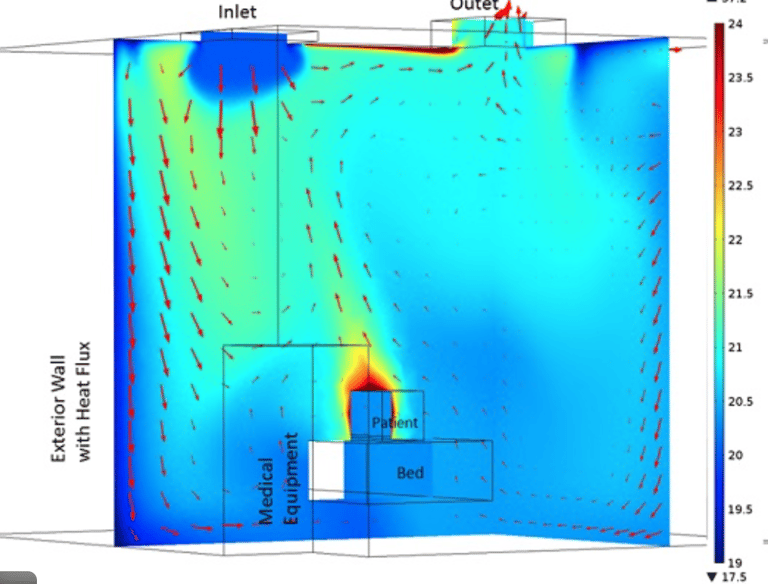
Building & HVAC
Ventilation and HVAC CFD analysis to optimize airflow distribution, thermal comfort, and contaminant control
Computational Fluid Dynamics Services Offerings
Industries We Serve
Power & Energy
CFD for heat transfer, combustion, cooling, flow distribution, and performance optimization of boilers, HRSGs, turbines, and energy systems
Oil & Gas / Process Industries
CFD for multiphase flow, pressure relief, dispersion, reactors, separators, heat exchangers, and flow assurance in safety-critical systems
Buildings & Built Environment
CFD for wind engineering, ventilation, HVAC performance, thermal comfort, smoke dispersion, and indoor air quality in complex buildings
Industrial Machinery & Infrastructure
CFD for cooling, internal flow, aerodynamics, flow-induced vibration, and thermal management of machinery and industrial equipment
Frequently Asked Questions (FAQ)
What is Computational Fluid Dynamics (CFD)?
Computational Fluid Dynamics is a numerical simulation method used to analyze fluid flow, heat transfer, turbulence, and related physical phenomena in engineering systems.
What types of CFD analyses do you provide?
We provide internal and external flow analysis, thermal and conjugate heat transfer, transient simulations, multiphase flow, combustion, ventilation, and fluid–structure interaction studies.
Which industries commonly require CFD?
CFD is widely applied in Power & Energy, Oil & Gas and Process Industries, Buildings and Built Environment, and Industrial Machinery and Manufacturing.
When is CFD preferred over empirical or handbook methods?
CFD is preferred when flow behavior is complex, three-dimensional, non-uniform, transient, or strongly coupled with heat transfer or structural response.
Do design codes and standards accept CFD results?
Yes. Many standards such as API 521, ASHRAE, ISO, NFPA, HEI, and performance-based design guidelines recognize CFD as a valid engineering tool when properly validated.
Can CFD be used for safety and regulatory studies?
Yes. CFD is commonly used for gas dispersion, smoke and fire modeling, ventilation effectiveness, thermal safety, and flow-induced vibration assessments.
Do you perform transient and unsteady CFD simulations?
Yes. We perform time-dependent CFD analyses to capture unsteady flow behavior during startup, shutdown, pulsation, cyclic operation, and dynamic loading.
How do you ensure accuracy and reliability of CFD results?
Accuracy is ensured through mesh independence studies, solver convergence checks, validated physical models, benchmarking, and sound engineering judgment.
Can CFD results be coupled with Finite Element Analysis (FEA)?
Yes. CFD results are frequently coupled with FEA to evaluate thermal stresses, pressure loading, and flow-induced vibration in critical components.
What information is required to start a CFD project?
Typically, geometry or CAD data, operating conditions, fluid properties, boundary conditions, and performance objectives are required. We can assist in defining these inputs.
What deliverables do you provide?
Deliverables include a detailed engineering report, contour plots, animations, performance metrics, validation checks, and clear engineering recommendations.
+91-9879488468
© 2025. All rights reserved.